Uncovering the Deception - FTC's Fight Against Fake Rental Ads
Impersonation of Property Owners
A company was discovered to have assumed the identities of legitimate property owners, creating a false sense of trust among potential renters. This allowed them to lure in unsuspecting individuals with enticing rental offers that turned out to be nothing but scams. By using this tactic, the company was able to gain access to personal information and enroll customers in programs without their knowledge or agreement.
The consequences of such impersonation are far-reaching. Consumers who fell victim to these fake rental ads not only lost their time and money but also faced potential security risks. Their personal information was at risk of being used for malicious purposes, leaving them vulnerable to identity theft and other forms of fraud.
Sneaky Enrollment in Unwanted Programs
Once the customers were enrolled in these programs, they often discovered that they had no way of opting out or canceling their subscriptions. The company used sly tactics to keep them trapped, making it difficult for consumers to regain control of their financial lives. This lack of transparency and consumer protection is a major concern and highlights the need for stricter regulations in the rental and financial industries.
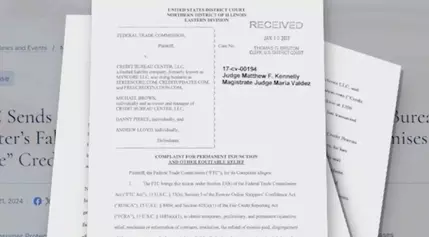
Many consumers were left frustrated and confused when they realized they were enrolled in programs they had never agreed to. The FTC's investigation has shed light on these practices and is working towards holding the responsible parties accountable. By taking legal action and recovering the funds, the FTC is sending a clear message that such deceptive behavior will not be tolerated.
The Impact on Consumers
The financial burden on consumers who were affected by these fake rental ads and program enrollments can be substantial. Many had to pay for services they never requested or received, while others faced legal fees and credit score damage. The emotional toll on these individuals is also significant, as they feel betrayed and violated by the actions of the company.
The FTC's efforts to recover the million and provide compensation to the affected consumers are a step in the right direction. However, it is important to continue raising awareness about these types of scams and educating consumers on how to protect themselves. By staying vigilant and being cautious when dealing with rental offers and financial transactions, consumers can reduce their risk of falling victim to such schemes.
New