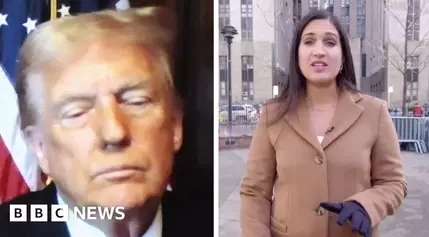
The recent legal proceedings surrounding the soon-to-be US President have concluded with a unique verdict. Donald Trump, who is set to take office, received an unconditional discharge in a criminal case involving hush-money payments. This outcome means he will not be subjected to any form of punishment such as incarceration, probation, or financial penalties. As a result, history is being made as he prepares to assume office with a felony conviction, marking an unprecedented situation for the presidency.
Understanding the Verdict's Implications
This unusual legal decision has significant ramifications for both the individual and the office. An unconditional discharge suggests that while the court acknowledges the actions taken, it does not impose traditional punitive measures. For the incoming administration, this creates a complex scenario where legal accountability and political leadership intersect in uncharted territory. The public and policymakers must now navigate how this affects governance and public trust.
In-depth analysis reveals that an unconditional discharge typically implies the court’s recognition of wrongdoing without enforcing penalties. In this instance, the incoming president faces no immediate consequences from the judicial system, despite having a felony on his record. This raises questions about the balance between legal justice and political power. It also prompts discussions on how this might influence future policies and the perception of presidential integrity. The unique nature of this case sets a precedent that may impact future administrations and their approach to similar legal challenges.
Impact on Presidential Leadership and Public Perception
The upcoming presidency begins under a cloud of legal scrutiny, which could affect how the leader is perceived by citizens and international allies. The fact that the president-elect carries a felony conviction into office introduces new dimensions to leadership and accountability. This situation challenges conventional views on executive authority and the responsibilities of holding the highest office in the land. Public opinion may sway based on how these legal issues are addressed during the term.
Furthermore, the implications extend beyond domestic concerns. Internationally, the United States' image as a beacon of democracy and rule of law may be scrutinized more closely. Allies and adversaries alike will watch how this unprecedented circumstance unfolds, potentially altering diplomatic relations and global standing. The challenge for the incoming administration lies in maintaining transparency and rebuilding trust, ensuring that the foundation of democratic governance remains strong despite these extraordinary circumstances. This case highlights the ongoing dialogue between legal systems and political realities, emphasizing the need for robust checks and balances within government structures.
New