Don’t let your kids read this column (but don’t ban it either)
2025-10-22
45K
4.5K
1K
Banned Books and the Battle for Intellectual Freedom
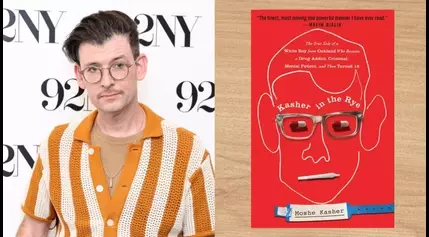
When the comedian Moshe Kasher learned that his memoir had been banned by a school district in Texas, he reacted with a mix of pride and dismay. The ban, which targeted his book "Kasher in the Rye" and hundreds of other titles, highlighted the growing trend of book censorship in the United States and the ongoing struggle to protect intellectual freedom.
Challenging Censorship, Embracing Diversity
The Banned Book Controversy
The decision by the Mission, Texas school district to ban 676 books, including Kasher's memoir, was a sweeping and controversial move. The list of banned titles included a diverse range of works, from classic novels like Bernard Malamud's "The Fixer" to contemporary young adult fiction by authors like John Green. The rationale behind the ban was equally broad, with the books deemed "filthy and evil" by anonymous conservative groups.Kasher, who described his memoir as "ribald and vulgar and challenging and racially f—-ed up," acknowledged that the content may not be appropriate for younger readers. However, he argued that banning the book was a misguided attempt to shield children from difficult ideas. "You cannot keep an idea from a curious mind," he said, noting that such bans often have the opposite effect, driving readers to seek out the banned material.
The Rise of Book Bans
The Mission school district's decision was part of a larger trend of book bans sweeping the country. According to PEN America, there were 4,349 book bans in the United States just last fall, a shocking increase in recent years. The Texas Freedom to Read Project was launched in December to combat these efforts, as parents and advocates fought back against the growing wave of censorship.The driving force behind many of these bans was an organization called BookLooks, which rates books on a scale of 0 to 5 based on their content. The Mission school board's decision to ban hundreds of titles was based on this rating system, which Kasher criticized as overly simplistic and lacking in context. "We've gotten to a place in society where context and ideas are less important than orthodoxy," he said.
The Dangers of Censorship
Kasher's experience with the ban on his memoir highlighted the broader dangers of censorship. As he pointed out, banning books does not prevent children from accessing the ideas and content within them, but rather pushes them to seek out the material in less controlled and potentially more harmful ways, such as through the internet.Moreover, the bans disproportionately targeted works by marginalized authors, including Toni Morrison, Maya Angelou, and Anne Frank. This pattern of censorship not only limits access to diverse perspectives but also reinforces the systemic exclusion of underrepresented voices.
The Importance of Intellectual Freedom
Kasher's defiant response to the ban on his memoir underscored the vital importance of intellectual freedom. As he noted, the banned books were in the company of "all the great artists," a testament to the power of challenging and unconventional works to shape our understanding of the world.By embracing the controversy surrounding his banned book, Kasher highlighted the need for a robust and open exchange of ideas, even when they are uncomfortable or provocative. "The only thing that happens when you ban a book is you take the thoughtful negotiation with some of these ideas that scare you out of the hands of children," he said.As the battle over book bans continues to rage, the story of Moshe Kasher and his banned memoir serves as a reminder of the high stakes involved in the fight for intellectual freedom. By defending the right to read, explore, and engage with diverse perspectives, we can foster a more informed, empathetic, and resilient society.